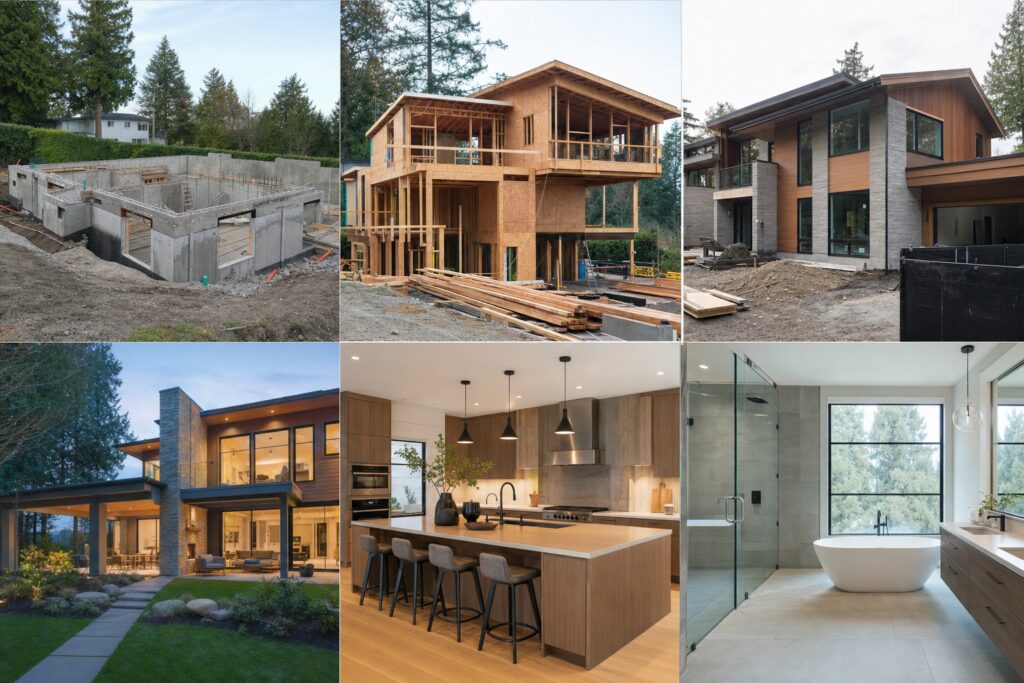
Most prospective custom home builders in Metro Vancouver assume construction starts the moment they sign contracts. The reality? You’ll spend 4-8 months on permits, design, and approvals before a single shovel hits the ground. Over 65% of timeline delays occur before construction begins, not during the build itself. Understanding this upfront transforms your expectations and helps you plan financing, temporary housing, and project milestones with precision.
The question “how long to build a custom home” doesn’t have a single answer. A 2,500 square foot single-family home in North Vancouver follows a different trajectory than a 4,000 square foot architectural statement in West Vancouver. Municipal regulations, soil conditions, design complexity, material selections, and weather all influence your timeline. Factor in BC Building Code compliance, City of Vancouver or district permit workflows, and coordination with engineers and consultants, and you’re looking at 12-24 months from contract signing to move-in day.
Breaking Down the Pre-Construction Phase
Pre-construction consumes more time than most homeowners anticipate. This phase includes site analysis, architectural design, engineering, permit applications, and finalizing your construction contract. Rush this stage and you’ll pay for it with change orders, budget overruns, and construction delays later.
Site analysis starts the clock. Geotechnical reports, topographic surveys, environmental assessments, and arborist reports can take 2-4 weeks to complete. Metro Vancouver’s varied terrain means soil conditions differ dramatically between Burnaby hillsides and Richmond flatlands. Foundation design depends entirely on these reports.
Architectural design follows next. Schematic design, design development, and construction documents typically require 8-16 weeks for a custom home. More complex designs with unique structural requirements, extensive glazing, or integration with challenging topography extend this timeline. At Avangard Development, our design-build approach compresses this phase by running value engineering and constructability reviews parallel to design development, catching budget and timeline issues before they become problems.
Permit applications represent the biggest wildcard in your timeline. City of Vancouver permits currently average 12-16 weeks for single-family homes. North Vancouver and West Vancouver districts process permits faster, typically 8-12 weeks. Burnaby falls somewhere in between. These timelines assume complete applications with no revisions required. Incomplete submissions or requests for additional information restart the clock.
Arash Amini, founder of Avangard Development and a licensed builder with 25 years of construction experience, notes that thorough pre-construction services routinely save 6-8 weeks on overall project timelines by identifying permit issues, design conflicts, and budget constraints before formal applications. His team coordinates directly with municipal planners during early design phases, ensuring submissions align with current zoning bylaws and building department expectations.
Foundation to Framing: The First Major Milestone
Once permits arrive, construction mobilization happens quickly. Site preparation, excavation, and foundation work represent your first visible progress. For a typical custom home in Metro Vancouver, expect 6-8 weeks from excavation to dried-in framing.
Excavation timing depends on site conditions and weather. Rocky substrates in North Vancouver require blasting or hoe-ramming, adding 1-2 weeks. High water tables in Richmond or parts of Vancouver demand dewatering systems and specialized foundation techniques. Winter construction (November through March) introduces weather delays. Smart scheduling pushes excavation and foundation work into drier months when possible.
Foundation construction takes 3-4 weeks for standard designs. This includes formwork, rebar installation, concrete pours, waterproofing, and curing time. BC Building Code requires specific curing periods before backfilling, and cold weather extends these timelines. Underfloor services, drainage systems, and perimeter insulation installation happen during this phase.
Framing transforms your project from hole in the ground to recognizable structure. A skilled framing crew completes a 2,500-3,000 square foot custom home frame in 4-6 weeks. This includes floor systems, wall framing, roof trusses or rafters, sheathing, and house wrap. Complex roof geometries, extensive glazing systems, or engineered timber structures extend framing timelines.
Inspections punctuate each phase. Foundation inspections occur before concrete pours. Framing inspections happen before insulation and drywall installation. Building inspectors in Metro Vancouver municipalities typically schedule inspections within 2-3 business days of requests, but scheduling flexibility helps avoid delays. Experienced builders coordinate inspection timing with construction sequencing to maintain momentum.
Exterior Envelope and Weather Protection
Getting your home “dried in” marks a critical milestone. Once roofing, windows, and exterior doors install, interior trades can work regardless of weather. This phase typically requires 4-6 weeks after framing completion.
Roofing installation timing varies by material selection. Asphalt shingles install quickly, usually 3-5 days for a standard custom home. Metal roofing systems take 1-2 weeks. Cedar shakes require 2-3 weeks. Flat or low-slope roofs with membrane systems need careful sequencing and favorable weather, extending timelines another week.
Window and door installation follows roofing. Modern high-performance windows and doors require precise installation to achieve energy efficiency targets and pass BC Energy Step Code requirements. Budget 1-2 weeks for complete installation and rough opening preparation. Custom or imported windows extend lead times significantly during the ordering phase, so specify these early in design development.
Exterior cladding application happens after window installation. Stucco systems require multiple coats with curing time between applications, totaling 3-4 weeks. Wood siding, fiber cement, or metal panel systems install faster, typically 2-3 weeks. Brick or stone veneer adds another 2-3 weeks. Weather plays a major role during exterior work, especially for stucco or masonry that requires specific temperature ranges for proper curing.
Metro Vancouver’s marine climate demands attention to building envelope details. Rainscreen assemblies, proper flashing, and drainage planes prevent moisture infiltration that causes costly failures down the road. At Avangard Development, we run thermal imaging reviews on completed envelopes before closing walls, catching air leakage and insulation gaps that compromise energy efficiency and long-term durability. This attention to detail during the envelope phase prevents callback issues that plague rushed construction.
Mechanical, Electrical, and Plumbing Rough-In
Once dried in, rough-in trades move in. Mechanical, electrical, and plumbing (MEP) installation happens simultaneously over 3-5 weeks. Coordination between trades determines whether this phase runs smoothly or devolves into conflicts and delays.
Plumbing rough-in installs supply lines, drain-waste-vent systems, and hydronic heating loops. Modern custom homes incorporate complex systems including radiant floor heating, heat recovery ventilation, smart home pre-wiring, and high-efficiency mechanical equipment. These systems require careful coordination with structural framing and other trades.
Electrical rough-in involves service panels, circuit wiring, low-voltage systems, and device boxes. Contemporary homes demand significantly more circuits than older construction. Kitchen islands with induction cooktops, home offices, electric vehicle charging infrastructure, and smart home systems all increase electrical complexity. Plan for 2-3 weeks for complete electrical rough-in in a well-appointed custom home.
HVAC installation varies by system type. Forced air systems with ductwork require 1-2 weeks for rough-in. Ductless heat pump systems install faster, usually 3-5 days. Hydronic heating systems with multiple zones need 2-3 weeks. Heat recovery ventilation (HRV) or energy recovery ventilation (ERV) systems, now standard in BC Energy Step Code compliant homes, add another week to mechanical timelines.
Coordination prevents conflicts. Ductwork routes around plumbing stacks. Electrical panels locate for code compliance and future access. Structural members can’t be cut without engineering approval. Using professional construction management during this phase prevents the costly delays that occur when trades work independently without coordination. We schedule mandatory coordination meetings during design development, mapping out mechanical chases and service routing before framing begins.
Insulation, Drywall, and Interior Finishes
After rough-in inspections pass, insulation and drywall installation begins. This phase takes 4-6 weeks and marks your transition from construction site to recognizable home interiors.
Insulation installation requires 1-2 weeks depending on system type. Batt insulation installs quickly. Spray foam insulation, increasingly common in high-performance homes, requires specialized contractors and favorable temperatures. Exterior continuous insulation systems, required for BC Energy Step Code compliance in many applications, install during exterior envelope work.
Drywall installation happens in two phases: hanging and finishing. Hanging takes 3-5 days for a typical custom home. Taping, mudding, and sanding require three coats with drying time between applications, totaling 2-3 weeks. Higher-end homes with level 5 finishes or extensive architectural details extend this timeline. Textured ceilings, coffered details, or curved walls demand additional labor and drying time.
Painting follows drywall completion. Professional painters need 2-3 weeks for primer and two finish coats throughout a custom home. Specialized finishes, accent walls, or extensive trim work adds time. Exterior painting (if applicable) happens concurrent with interior work when weather permits.
Cabinetry and millwork installation begins after painting. Kitchen cabinets typically install in 2-3 days, but custom millwork throughout the home extends this phase. Bathroom vanities, built-in shelving, wainscoting, crown molding, and baseboards all require careful installation and finishing. Budget 2-3 weeks for complete millwork installation in a well-appointed custom home.
Flooring installation timing depends on material selection. Hardwood flooring requires 1-2 weeks including installation, sanding, and finishing. Tile installation for multiple bathrooms takes 2-3 weeks including substrate preparation and grouting. Carpet installs quickly, usually 2-3 days. Luxury vinyl plank or engineered flooring falls somewhere in between.
Final Fixtures, Systems, and Commissioning
The final phase involves fixture installation, final inspections, and system commissioning. This stage takes 3-4 weeks and requires meticulous attention to detail and final trade coordination.
Plumbing fixture installation includes sinks, toilets, tubs, showers, and faucets. Modern high-end fixtures often require specialized installation. Freestanding tubs, multi-head shower systems, and water filtration systems all demand additional time. Budget 1 week for complete plumbing fixture installation.
Electrical fixture and device installation follows. Light fixtures, switches, outlets, and smart home system programming take 3-5 days. Undercabinet lighting, chandelier installation, and exterior lighting add complexity. Final electrical trim and system testing ensure everything operates correctly before occupancy.
Appliance installation happens near project completion. Kitchen appliances typically install in one day, but built-in units require cabinet modifications and utility connections planned during earlier phases. Laundry equipment, garage door openers, and other mechanical equipment install during this final push.
Exterior site work often runs parallel to interior finishing. Driveways, walkways, landscaping, irrigation, and fencing transform raw construction sites into completed properties. Site work timing depends heavily on weather, especially for concrete, asphalt, and landscaping. Many builders schedule major site work for spring or early summer to ensure optimal installation conditions.
Final inspections represent your last major hurdle. Building inspectors verify code compliance, verify systems operate correctly, and confirm construction matches approved plans. Occupancy permits issue after successful final inspections. Some municipalities conduct multiple final inspections (building, plumbing, electrical, gas), each requiring separate scheduling and coordination.
Factors That Accelerate or Delay Your Timeline
Understanding variables that influence construction timelines helps you set realistic expectations and make informed decisions during planning and construction.
Material selections dramatically impact timelines. Standard materials from local suppliers deliver quickly. Imported tiles, custom windows, specialty fixtures, or unique finishes introduce lead times that extend schedules. At Avangard Development, we maintain detailed material lead time databases and specify long-lead items during early design phases. Our open-book approach shows clients exactly how material selections affect both budget and timeline, enabling informed decision-making rather than surprise delays.
Weather affects every phase of exterior work. Metro Vancouver’s wet winters slow excavation, concrete work, roofing, and exterior finishes. Foundation work in December takes twice as long as the same work in July. Smart scheduling pushes weather-sensitive work into favorable seasons when possible, but year-round construction remains standard practice with weather contingencies built into schedules.
Design complexity multiplies construction time. Simple rectangular floor plans with standard ceiling heights and straightforward roof lines build faster than homes with complex geometries, extensive glazing, multiple roof planes, or custom structural solutions. Every unique design element adds coordination, specialized trades, and additional time.
Site conditions introduce unknowns. Rocky substrates, high water tables, contaminated soil, or poor bearing capacity discovered during excavation trigger design modifications and construction delays. Thorough geotechnical investigations during pre-construction minimize surprises but can’t eliminate all risk.
Change orders represent the single biggest timeline killer. Every change during construction triggers ripple effects across trades, schedules, and material ordering. Design-build approaches that finalize details before construction minimize change orders. When working on custom homes, we conduct extensive pre-construction planning sessions where clients make final selections before breaking ground. This upfront investment in decision-making prevents the costly delays that occur when clients change tile selections after plumbers have roughed in shower valves.
| Timeline Factor | Impact on Schedule | Mitigation Strategy |
|---|---|---|
| Standard materials, local suppliers | No delay | Early specification and vendor coordination |
| Imported/custom materials | 4-12 weeks added to lead times | Order during permit phase, specify alternates |
| Winter construction (Nov-Mar) | 15-25% slower exterior work | Schedule weather-sensitive work for dry seasons |
| Complex architectural design | 20-30% longer construction | Value engineering during design phase |
| Poor site conditions | 2-8 weeks for foundation modifications | Thorough geotechnical investigation pre-construction |
| Change orders during construction | 1-4 weeks per significant change | Finalize selections before construction starts |
Realistic Timeline Expectations for Metro Vancouver Custom Homes
Synthesizing all phases, most custom home projects in Metro Vancouver follow these general timelines:
Fast-Track Projects (12-14 months): Simple designs, standard materials, favorable site conditions, experienced builder, permits obtained quickly, no major changes during construction. These represent ideal conditions where everything aligns favorably.
Typical Projects (16-20 months): Moderate design complexity, mix of standard and custom materials, normal site conditions, standard permit processing, minor adjustments during construction. This represents the realistic timeline for most well-planned custom homes.
Complex Projects (20-24+ months): Architectural designs with unique features, extensive custom materials, challenging sites, permit complications, significant scope changes, or winter weather delays. High-end custom homes with no budget constraints and maximum customization fall into this category.
The difference between fast-track and typical timelines usually comes down to pre-construction planning and decision-making discipline. Clients who invest time upfront in thorough planning, make firm decisions before construction, and work with experienced builders complete projects faster with fewer surprises.
Since founding Avangard Development in 2017, Arash Amini has refined construction processes that consistently deliver custom homes within predicted timelines. His comprehensive project management approach includes weekly schedule updates, critical path analysis, and proactive problem-solving that catches issues before they become delays. Our portfolio includes custom homes throughout Metro Vancouver, from West Vancouver waterfront properties to North Vancouver hillside builds, each completed within 5% of original timeline projections.
Frequently Asked Questions
Can you build a custom home in under 12 months in Metro Vancouver?
Twelve-month completion is possible but requires ideal conditions: simple design, favorable site, pre-ordered materials, fast permit processing, experienced builder, no changes during construction, and favorable weather. Most custom homes realistically require 16-20 months from contract signing to occupancy. Attempting to compress timelines often results in quality compromises or budget overruns that negate any time savings.
What causes the biggest delays in custom home construction?
Permit processing and client indecision cause more delays than construction issues. Incomplete permit applications restart timelines. Material selection changes after construction begins trigger cascading delays across multiple trades. Poor site conditions discovered during excavation require engineering solutions that add weeks. Weather delays affect exterior work primarily during winter months. Working with experienced builders who run thorough pre-construction planning minimizes most delay risks.
Does building in winter slow down custom home construction?
Winter construction slows exterior work by 15-25% in Metro Vancouver. Excavation in saturated soil takes longer. Concrete requires cold-weather admixtures and extended curing. Roofing and exterior finishes face weather windows. Interior work proceeds normally once dried in. Smart scheduling pushes major exterior work to drier months when possible, but year-round construction remains standard practice. Most experienced builders account for weather contingencies in original schedules rather than treating winter delays as surprises.
How does design-build affect custom home construction timelines?
Design-build typically reduces overall project timelines by 2-4 months compared to traditional design-bid-build approaches. Design-build allows construction planning during design development, identifies constructability issues early, prevents design-construction conflicts, enables material pre-ordering during permit phases, and reduces change orders through integrated decision-making. The single point of accountability also accelerates problem resolution when issues arise during construction.
When should I start planning if I want to move into my custom home by a specific date?
Add 20-24 months before your target move-in date to account for realistic timelines including pre-construction, permits, and construction. If permits process quickly and construction proceeds without delays, you’ll have buffer time for final landscaping and settling in. Planning backward from firm deadlines (school enrollment, lease expiration, property sale) requires conservative timeline estimates to avoid costly rushed decisions or temporary housing expenses if construction extends beyond optimistic projections.
Building a custom home represents a significant investment of time, money, and emotional energy. Realistic timeline expectations set from the start prevent frustration and enable better planning for financing, temporary housing, and family logistics. Every phase serves a purpose, and rushing any stage typically creates problems that cost more time and money to fix than the original schedule buffer would have required.
At Avangard Development, we’ve guided hundreds of Metro Vancouver families through custom home construction with transparent communication, realistic scheduling, and proactive problem-solving. Our experience across North Vancouver, West Vancouver, Burnaby, and surrounding municipalities means we understand local permit processes, site challenges, and construction realities that affect your timeline. Ready to start planning your custom home with a licensed builder who delivers on schedule? Book a free consultation to discuss your project timeline, budget, and goals with our team.